

interviews


Photography By: nokib
11 December, 2025
How has The Front Page popularised bite-sized news for Gen Z audiences while maintaining journalistic integrity?
Akib Majumder: The Front Page became popular by presenting news in a way that feels relatable to younger audiences. One of our early viral posts was a simple graphic about a USD 500 PlayStation 5 being sold in Bangladesh for BDT 1.5 lakh. The design wasn’t perfect, but the headline resonated because relatability drives engagement.
We kept refining our templates, taking feedback from creatives. Initially, it was just the two of us handling everything, from verifying news to designing and posting. As we grew, we built a team and formalised operations under Fasbeer bhaiya’s leadership, which helped us appear more credible to both audiences and advertisers.
Professionalism is key to how we maintain journalistic integrity. From the start, we’ve focused on presenting objective facts – concise headlines, relevant visuals, proper source links, and photo credits. Thanks to Fasbeer bhaiya’s well-maintained data sheets, we’ve been able to stick to this format consistently.
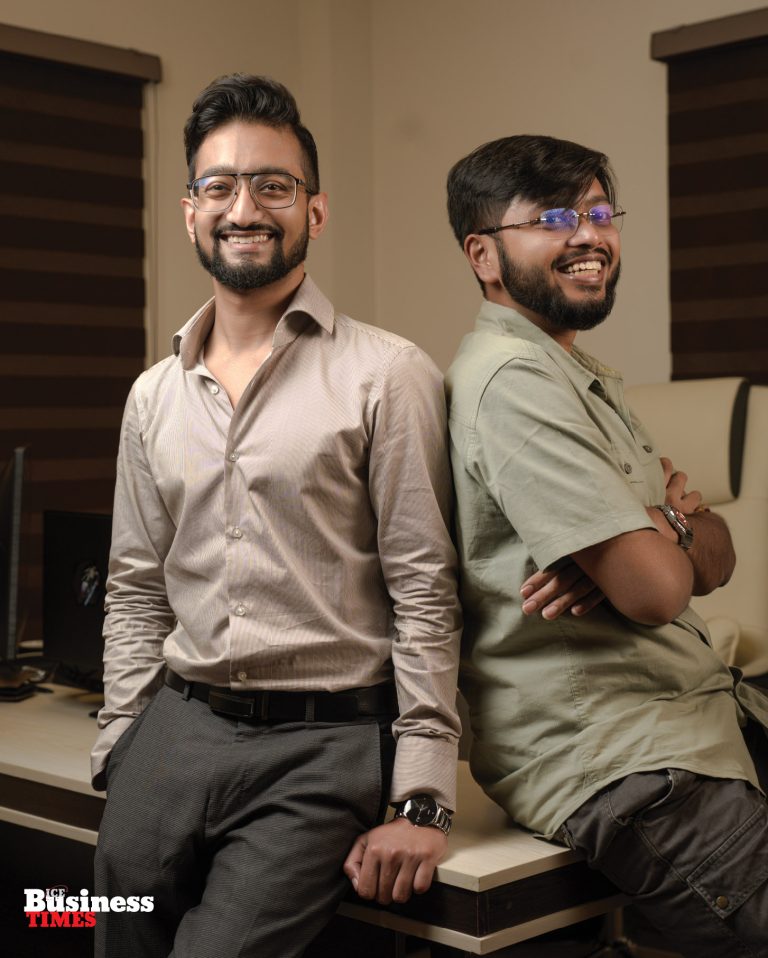
How did you identify a market opportunity with bite-sized news, and how have you scaled operations?
Fasbeer Eskander: We saw the potential when, with just 9,000 followers, a business approached us for a paid feature. That moment showed that bite-sized news could be monetised. We explored different revenue streams like sponsored articles, short videos, and carousels.

How is The Front Page empowering the youth to stay informed and participate actively in national discourse?
Fasbeer Eskander: In today’s world of shrinking attention spans, news must be delivered in a format that makes young people pause, engage, or at least absorb the core message at a glance. Our bite-sized approach plays a key role in that.
This became especially evident during the July 2024 protests. Before that, Gen Z wasn’t as engaged in national affairs as they are now. When mainstream media hesitated or failed to report key developments, we stepped in with a commitment to deliver objective, fact-checked news. Even during the internet blackout, we kept posting. I was abroad at the time, and when I lost contact with our Bangladesh team, I built a global team of 50 to 60 volunteers to continue reporting so the world would know what was happening in Bangladesh